US-Iran Conflict Escalates as Strikes Continue and Concerns Mount Over Military Pace
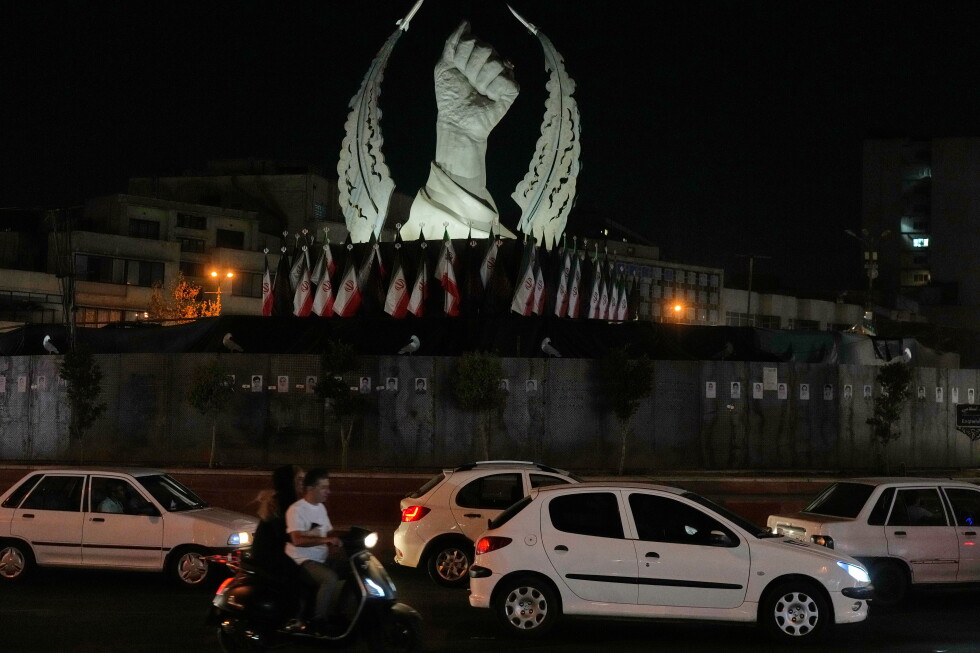
Multiple outlets report an escalating military confrontation between the United States and Iran, with new strikes exchanged and Iran widening its response to include pressure on the Gulf states and the global economy. Coverage differs in emphasis: NBC and BBC focus on the immediate strikes and threats of further escalation, CBS highlights internal U.S. concerns about the rate of missile and interceptor use, and NPR frames the story through regional and strategic analysis.
Since at least July 20, 2026, the United States and Iran have been engaged in an escalating exchange of military strikes, with fighting reported expanding into the wider Gulf region. President Donald Trump threatened a further "massive attack" after Iran was reported to have opened what NBC News described as a second front targeting the global economy, though the specific nature of this economic pressure campaign is not detailed consistently across reports. The U.S. military has expanded its presence in the Middle East with additional equipment arriving in the region, according to CBS News. BBC News reported that Iran condemned a U.S. plan to use frozen Iranian assets to pay for war damages, though further details of this plan, including its scale or timeline, were not specified in available reporting. CBS News, citing unnamed sources, reported growing concern among some Trump administration officials over the rapid pace at which defensive interceptors and long-range missiles are being used in the conflict. The Associated Press confirmed that U.S. bombing operations against Iran have expanded amid Tehran's retaliatory actions against Gulf states, though specific target locations, casualty figures, and exact dates of individual strikes were not corroborated across multiple sources. As of the most recent reporting on July 24, 2026, strikes between the U.S. and Iran were continuing, with BBC News describing mounting fears of further escalation in the Gulf. The precise scope of Iran's retaliation against Gulf states, the details of the frozen-assets plan, and the specific military assets or munitions causing internal U.S. concern remain unresolved or unconfirmed across the available reporting. NPR's coverage placed the conflict in broader strategic context through expert analysis but did not add new corroborated factual details about the military engagements themselves. No official casualty counts, troop numbers, or ceasefire negotiations were confirmed by multiple independent sources at this time.
SOURCE COMPARISON
How the coverage differs
US bombing of Iran expands as Tehran retaliates against the Gulf states
Read original report ↗U.S. launches new strikes and Trump threatens ‘massive attack’ as Iran widens war
The United States launched a fresh barrage of strikes on Iran overnight as President Donald Trump threatened a major new escalation after Tehran opened a second front in its pressure campaign on the world economy.
Read original report ↗US and Iran trade more strikes in Gulf as fears of escalation mount
It comes as Iran condemned the US plan to use frozen Iranian assets to pay for war damages.
Read original report ↗Some Trump officials concerned about rapid pace of missile usage in Iran, sources say
The U.S. military is expanding its presence in the Middle East with the arrival of new equipment, as sources say concerns are growing within the Trump administration over rapid use of defensive interceptors and long-range missiles. Charlie D'Agata reports.
Read original report ↗The war with Iran is escalating. What next?
NPR's Ailsa Chang speaks with Suzanne Maloney of the Brookings Institution about the U.S. war with Iran, the increase in hostilities and what it means for the wider region
Read original report ↗