Tensions Escalate Over Strait of Hormuz as US-Iran Conflict Widens
Reports describe an escalating US-Iran conflict following the collapse of a ceasefire, with disruptions to shipping in the Strait of Hormuz, new threats from Iran-aligned Houthi forces in the Red Sea, and Trump warning of retaliation against Iranian infrastructure. Coverage varies in focus, with some outlets emphasizing military and diplomatic developments, others highlighting economic effects like tariffs and shipping risks, and congressional funding efforts for the war.
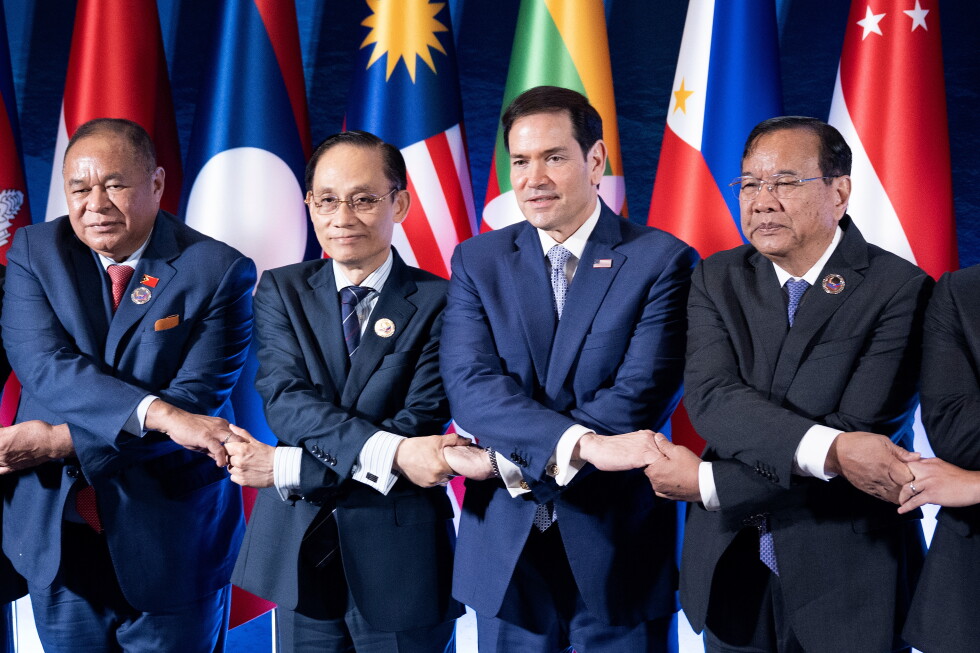
Following the collapse of a ceasefire between the United States and Iran, hostilities have escalated this month, including Iranian attacks that killed four U.S. service members, whose remains President Donald Trump attended in a dignified transfer ceremony on Wednesday. Trump stated on Truth Social that the U.S. would destroy Iranian bridges or power plants, including those near Tehran, any time Iranian forces "shoot a ship" in the Strait of Hormuz. Secretary of State Marco Rubio warned Asian leaders that Iran's demands regarding the Strait of Hormuz would set a dangerous precedent. Maritime risk experts indicated that shipping through the Strait of Hormuz has been severely disrupted, with one industry CEO stating "nothing is going through" the strait despite U.S. assurances of safe passage. Iran-aligned Houthi forces in Yemen have separately signaled a possible escalation by threatening a blockade of a Red Sea shipping route that facilitates roughly 7 percent of global oil supply, a tactic reports describe as similar to Iran's approach in the Strait of Hormuz. In Congress, House Republicans are pushing a $95 billion budget package, structured as a Republican-only measure, to fund the Iran war effort and other White House priorities, though passage remains a long-shot given the partisan approach. Separately, U.S. Trade Representative Jamieson Greer faced Senate questioning about a series of tariffs and their effects on the cost of living for Americans. The overall trajectory of the conflict and its economic fallout remain unresolved, including whether the Strait of Hormuz will reopen to normal shipping traffic and whether Houthi threats in the Red Sea will materialize into an actual blockade. The fate of the $95 billion House budget package is uncertain given its partisan structure. It also remains unclear how the tariff policies discussed in the Senate hearing connect directly to the broader Iran conflict, and reporting does not establish a resolution to the standoff over passage rights in the strait.
SOURCE COMPARISON
How the coverage differs
Trump trade envoy grilled about ‘tariff spree’ and price rises for Americans in Senate hearing – US politics live
Jamieson Greer faces senators’ questions about latest round of tariffs and impacts on cost of living of Trump policies Sign up for the Breaking News US email A reminder that my colleagues are covering the latest out of the Middle East at our dedicated live blog. Donald Trump took to Truth Social a short while and noted that the US will destroy one bridge or power plant , including those near Tehran, “any time” that Iran “shoots a ship” in the strait of Hormuz. Continue reading...
Read original report ↗Iran's demands over the Strait of Hormuz would set a dangerous precedent, Rubio warns Asian leaders
Read original report ↗House Republicans push $95 billion package for the Iran war and Trump's priorities
The House will try to advance a Republican-only $95 billion budget proposal, a long-shot effort to fund the Iran war and other White House priorities
Read original report ↗"Nothing is going through" the Strait of Hormuz, shipping insider says
Despite U.S. assertions, the CEO of a maritime risk firm says "there is no guarantee of safe passage" through the Strait of Hormuz.
Read original report ↗Trump threatens to target Iran's bridges and power plants if Hormuz attacks persist
Donald Trump says the US will respond any time Iranian forces shoot at a ship in the Strait of Hormuz.
Read original report ↗Trump attends dignified transfer of 4 service members killed in Iran attacks since the ceasefire ended
President Donald Trump on Wednesday attended the dignified transfer of the remains of four service members killed in Iranian attacks this month after hostilities ramped up following the collapse of the ceasefire.
Read original report ↗Houthi threats in Red Sea risk new front in U.S.-Iran war
The Iran-aligned Houthis in Yemen are signaling a major escalation in the war between the Islamic Republic and the U.S., threatening a blockade on a key Red Sea shipping route that facilitates about 7 percent of the world’s oil supply. The move would borrow from the Iranian playbook that has effectively closed the Strait of...
Read original report ↗