Shapiro Signs $50.8 Billion Pennsylvania Budget After Two-Week Delay
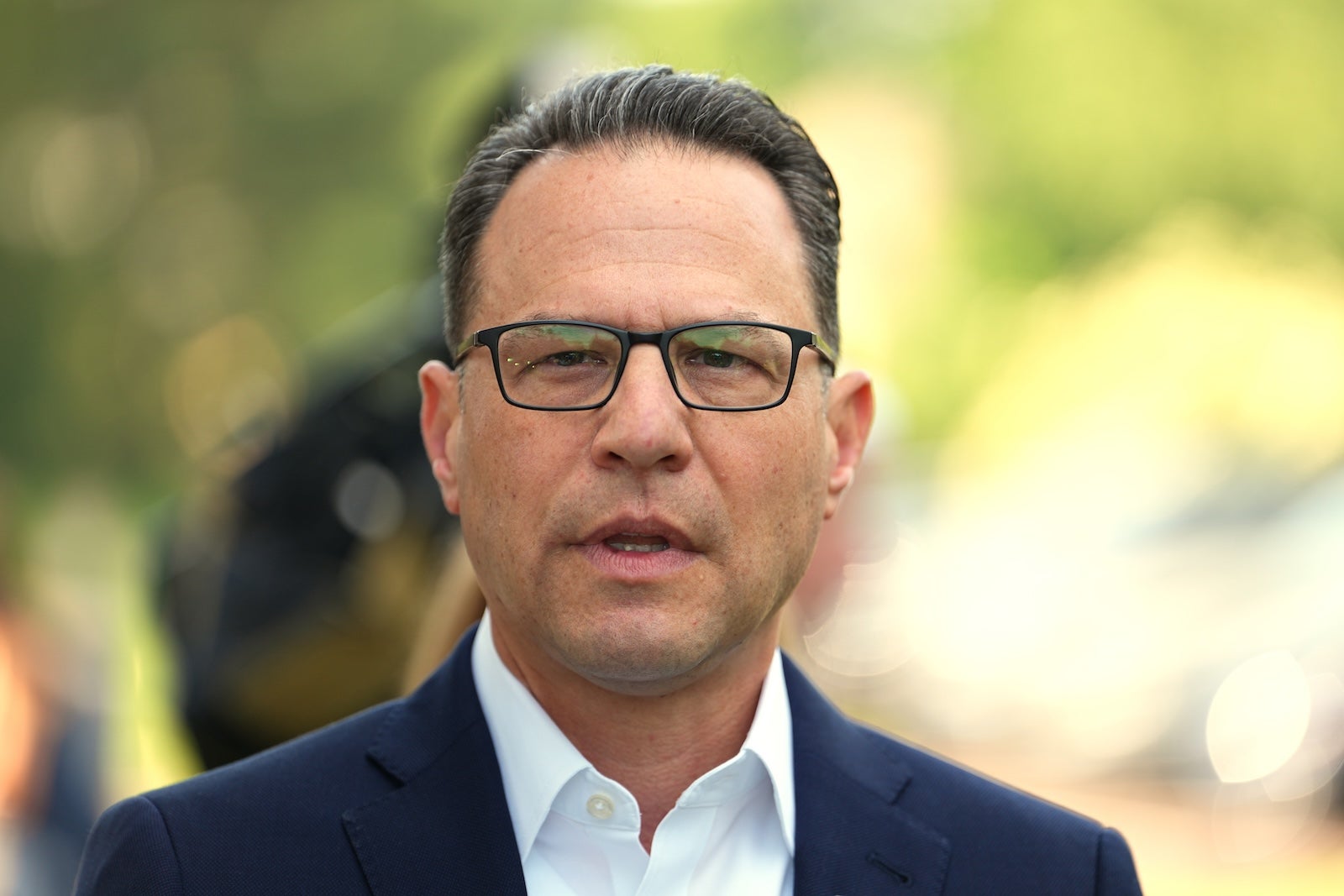
Pennsylvania Governor Josh Shapiro signed a $50.8 billion state budget on July 12, 2026, following bipartisan negotiations between the Democratic governor and a divided legislature. Coverage generally agreed on the budget's scope and timing but differed in emphasis, with some outlets highlighting Republican criticism of spending levels and unresolved priorities, while others focused on education funding gains and fiscal restraint.
Pennsylvania Governor Josh Shapiro signed a $50.8 billion state budget on July 12, 2026, roughly 12 days after the June 30 constitutional deadline, following weeks of closed-door negotiations between his administration and a divided legislature. The budget passed the Senate 47-3 and the House 167-35, reflecting broad bipartisan support despite some opposition in both parties. This marked the fourth consecutive year Shapiro reached a budget agreement with a split legislature, and represented a significant improvement over the prior year's nearly five-month budget impasse. The agreement avoided any tax increases and did not draw from the state's Rainy Day Fund, leaving approximately $8 billion in reserve. Senate Republican leaders said the final deal cut more than $1.1 billion from Shapiro's original spending request. The budget included over $565 million in new school adequacy funding, part of a broader effort to address a $4.5 billion funding gap identified after a 2023 Commonwealth Court ruling, with $1.9 billion directed toward closing that gap and $136 million in additional funds for the School District of Philadelphia. It also included new transparency requirements for data centers, publicly funded housing projects, and public transit agencies, along with $7 million to replace SNAP benefit cards with chip-enabled versions. Public transit funding relied on a prior two-year stopgap rather than a permanent solution. Senate Majority Leader Joe Pittman criticized the overall spending level as too high, calling the result an "imperfectly good budget," while Democratic House Appropriations Chair Jordan Harris praised the agreement. Unresolved priorities left out of the deal included a minimum wage increase, long-term transit funding, affordable housing initiatives, and marijuana legalization. Republicans agreed to increase education spending without restructuring the underlying school funding formulas, an outcome that remains a point of ongoing debate. No further legislative action beyond the governor's signature has been reported.
SOURCE COMPARISON
How the coverage differs
Pa. Gov. Shapiro signs 'compromise' state budget
Governor Josh Shapiro signed a compromise state budget, marking the fourth consecutive year he has worked with a divided legislature to reach a deal. The agreement left several major priorities unresolved, including a minimum wage increase, long-term transit funding, affordable housing initiatives, and marijuana legalization, according to Senate Majority Leader Joe Pittman who called it an 'imperfectly good budget.'
Read original report ↗City & State's 2026-27 Pennsylvania state budget tracker
Gov. Josh Shapiro signed a $50.8 billion budget into law on July 12. Republican Senate Majority Leader Joe Pittman criticized the spending level as too high, while Democratic House Appropriations Chair Jordan Harris praised the budget.
Read original report ↗12 days late, Pa. Legislature passes, Shapiro signs $50.8 billion budget for 2026-27
Governor Josh Shapiro signed a $50.8 billion spending package 12 days after the start of the fiscal year, with the Senate passing it 47-3 and the House 167-35. Senate Republican leaders said the final agreement cut more than $1.1 billion from the governor's original spending request and avoided any withdrawals from the Rainy Day Fund.
Read original report ↗Pennsylvania lawmakers pass 2026-2027 bipartisan budget deal
Governor Josh Shapiro signed Pennsylvania's 2026-2027 budget after both legislative chambers passed the agreement, allowing $50.8 billion in spending without raising taxes and without touching the state's $8 billion rainy day fund. The budget sets aside $7 million to replace SNAP benefit cards with more secure chip-enabled cards.
Read original report ↗Gov. Shapiro signs $50.8B compromise budget, despite some opposition in both parties
Governor Josh Shapiro signed a package of bills enacting a $50.8 billion state budget, approved by the House and Senate with only a handful of opposing votes on July 12, 2026. Shapiro acknowledged 'there would have to be compromises in a divided government.'
Read original report ↗Gov. Josh Shapiro, Pennsylvania lawmakers have approved a $50.8 billion state budget
Pennsylvania's budget deal, reached after weeks of closed-door negotiations, includes new transparency requirements for data centers, publicly funded housing projects, and public transit agencies. The agreement improves on last year's nearly five-month budget impasse and includes over $565 million in new school adequacy funding, sending $136 million more to the School District of Philadelphia.
Read original report ↗Gov. Shapiro signs $50.8 billion compromise budget, despite some opposition in both parties
Republicans agreed to boost state education spending without restructuring school funding formulas. The budget does not address public transit funding permanently, relying instead on a prior two-year stopgap, though it passed only a week and a half after the constitutional deadline, an improvement over last year's five-month impasse.
Read original report ↗PA lawmakers adopt $50.8B budget
Governor Josh Shapiro signed a $50.8 billion budget making major new investments in education, putting $1.9 billion toward closing a $4.5 billion school funding adequacy gap identified after a 2023 Commonwealth Court ruling. The deal was cut behind closed doors with final votes taken nearly two weeks after the June 30 statutory deadline.
Read original report ↗Governor Shapiro Signs Bipartisan 2026-27 Budget, Securing Major Priorities
Governor Josh Shapiro signed the 2026-27 budget, which he said delivers real results and secures major investments called for in his budget address, while maintaining the Commonwealth's strong fiscal position and leaving approximately $8 billion in reserve as of July 1, 2027. The budget passed with a divided legislature, bringing Democrats and Republicans together to invest in schools, the economy, and workforce development.
Read original report ↗Governor Dunleavy signs Alaska FY2027 budget into law
Governor Mike Dunleavy signed the State of Alaska Fiscal Year 2027 budget into law, providing investments in school infrastructure and additional funding to districts to offset increased energy and related costs. The signing was highlighted in the governor's official newsroom in mid-2026.
Read original report ↗Governor Stitt Celebrates Win for Accountability and Government Reform
Governor Stitt signed legislation eliminating three Oklahoma state boards and commissions, including the Hospital Advisory Council. The Legislature failed to override several of Stitt's vetoes of bills that would have extended sunsets for agencies including the Oklahoma Educational Television Authority and the Board of Chiropractic Examiners without additional reforms.
Read original report ↗Gov. Gordon signs Wyoming's next two-year budget while vetoing two dozen items
Wyoming Gov. Mark Gordon signed the state's two-year budget with line-item vetoes, expressing frustration over cuts including the elimination of SUN Bucks, a summer food program for children. The House and Senate had diverged sharply on budget proposals, with the House considering a record 247 amendments before both chambers adopted 37 changes.
Read original report ↗Stitt catches attention with comments in recent NPR interview
Governor Kevin Stitt drew attention for comments during a National Public Radio interview covering topics from immigration to voting, including asking what the 'endgame' is for federal immigration enforcement actions. Separately, Stitt signed legislation creating a permanent statewide 'Bell to Bell, No Cell' policy requiring school districts to prohibit student cellphone use during the school day.
Read original report ↗Gov. Braun signs Indiana's next $44B budget into law
Indiana's next two-year, $44 billion budget became law with Governor Mike Braun's signature, along with 62 other measures sent to his desk on the legislative session's last day. Braun said the budget preserves reserves, maintains the state's AAA credit rating, and delivers on education, public safety, and tax relief priorities.
Read original report ↗