Vermont Officials Clash Over Land-Use Rules Amid Housing Push
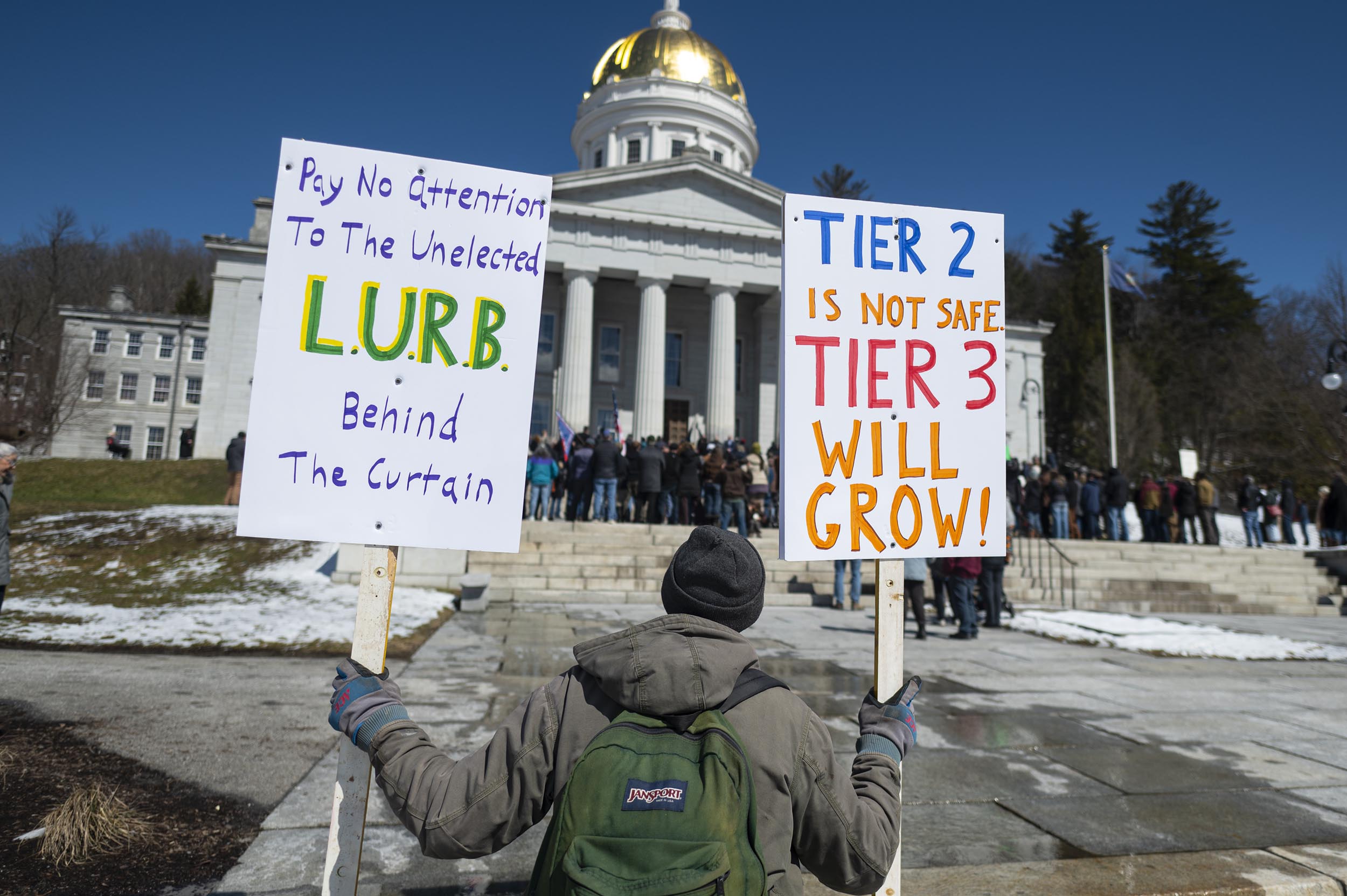
Vermont's Act 181 land-use law became the center of a monthslong dispute between Governor Phil Scott and state lawmakers over how much environmental regulation should be eased to spur housing construction. Sources agree lawmakers rejected a wetland buffer rule change and later passed a narrower repeal bill that Scott signed, but they differ on how much credit or blame each side deserves, with Scott's office emphasizing lawmaker inaction and other outlets noting the administration's own housing chief called the final bill insufficient.
In May and June 2026, Vermont officials debated changes to Act 181, a 2024 land-use law containing wetland conservation provisions. The Legislative Committee on Administrative Rules (LCAR) voted 5-3 in late May to reject a Scott administration proposal to reduce wetland buffer zones from 50 feet to 25 feet in areas designated for housing, a change the administration said would have applied to buffer zones covering less than 3% of Vermont's land. Housing advocacy and environmental groups had reportedly expressed support for easing the rules, according to the governor's office. Separately, the Vermont Legislature passed S.325, a partial repeal of Act 181, which removes the law's conservation provisions while preserving existing housing development exemptions. The bill passed the Legislature in late May and was sent to Governor Scott's desk; Scott signed it in mid-June 2026. Following the LCAR vote, Scott publicly criticized the committee for blocking the buffer-zone proposal despite what he described as broad support from housing and environmental advocates. After Scott signed S.325, his own housing chief stated the bill was 'not a housing bill,' indicating the administration viewed it as falling short of its broader housing reform goals. This suggests continued tension between the governor and the legislature over the pace and scope of housing-related land-use reform. It remains unresolved how the rejected wetland buffer proposal might be revived, what specific next legislative or regulatory steps are planned, and the precise scope of stakeholder support or opposition beyond what officials have characterized in public statements.
SOURCE COMPARISON
How the coverage differs
Vermont Governor Statement After Legislative Committee Blocks Housing Compromise
Governor Phil Scott criticized the Legislative Committee on Administrative Rules (LCAR) after it voted 5-3 against a proposal to ease housing construction rules in buffer zones covering less than 3% of Vermont's land area, despite what Scott called broad support from environmental and housing advocacy groups.
Read original report ↗Two Days After Signing Act 181 Rollback, Scott's Housing Chief Calls It 'Not a Housing Bill'
After Governor Scott signed the Act 181 rollback bill S.325, which removes the 2024 law's conservation provisions while preserving housing development exemptions, his housing chief said the bill fell short of the administration's broader housing goals.
Read original report ↗Partial Repeal of Vermont's Land-Use Law Act 181 Heads to Governor's Desk
A partial repeal of Vermont's Act 181 land-use law passed the Legislature and headed to Governor Phil Scott's desk, though Scott criticized lawmakers for lacking urgency on housing reform even as he considers signing the repeal bill, S.325.
Read original report ↗Vermont Lawmakers Reject Scott's Effort to Weaken Wetland Rules for Housing
The Legislative Committee on Administrative Rules voted against Governor Scott's proposal to cut wetland buffer zones from 50 feet to 25 feet in areas designated for housing, a decision that housing advocates and administration officials immediately denounced.
Read original report ↗