NASA Launches Nancy Grace Roman Space Telescope; Separate Effort to Save Swift Telescope Fails
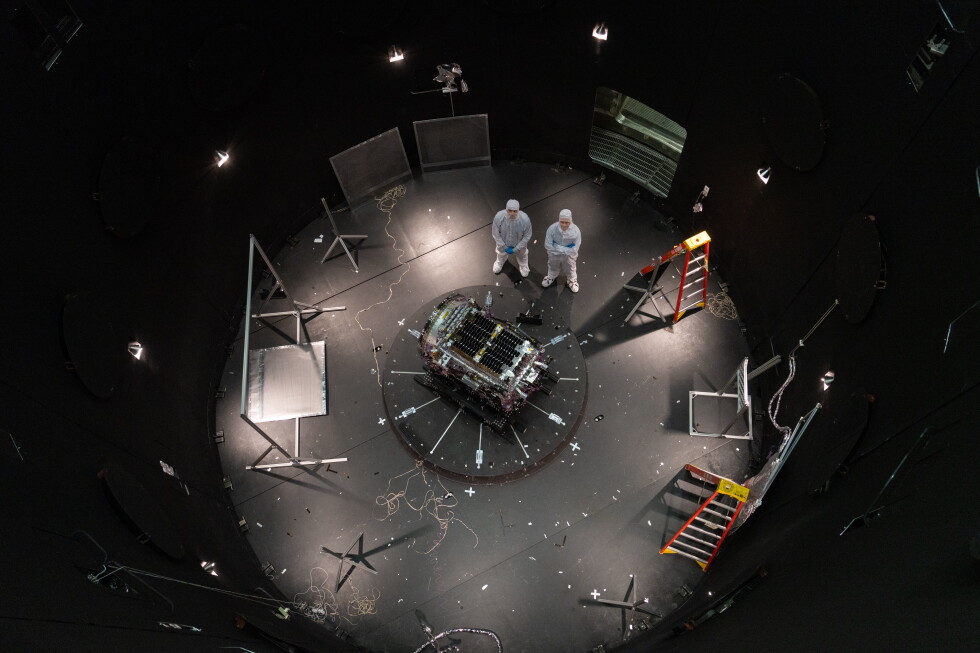
NASA successfully launched the Nancy Grace Roman Space Telescope from Kennedy Space Center in Florida, beginning a mission to map the universe and study dark energy, dark matter and exoplanets. In an unrelated development, a separate NASA rescue mission intended to prevent the aging Swift space telescope from deorbiting failed, and that effort has been called off. Coverage differs in emphasis: some outlets highlighted the Roman telescope's survival of proposed budget cuts, while others focused on its scientific goals or the Swift telescope's fate.
NASA launched the Nancy Grace Roman Space Telescope from Kennedy Space Center in Florida on Sunday, August 30, 2026, sending it on a roughly million-mile journey into deep space. The telescope, valued at approximately $4.3 billion, is designed to survey a billion galaxies, create a new map of the universe, and help scientists study dark energy, dark matter, exoplanets, and planet formation. Multiple outlets reported that the mission had faced two rounds of proposed budget cuts under the Trump administration before ultimately proceeding. The telescope's development drew on technology and research originating from the U.S. spy satellite program, according to reporting. Separately, NASA had been attempting to rescue its aging Swift space telescope, an observatory at risk of breaking apart upon reentry into Earth's atmosphere. That rescue mission encountered technical problems and was called off, with NASA confirming the effort failed to prevent the spacecraft's decline, according to reports published around August 19-20, 2026. The Swift mission and the Roman telescope launch are distinct NASA programs reported around the same period but are not directly connected events. The Roman telescope has now begun its multi-year mission following the successful launch, though further details on its journey to its operational position and the timeline for beginning observations were not specified across the reports. The ultimate fate and reentry timeline of the Swift telescope following the failed rescue attempt remains unresolved in the available reporting. Details on the exact nature of the technical problems that caused the Swift rescue mission to fail were not consistently specified across sources.
SOURCE COMPARISON
How the coverage differs
NASA is preparing to launch the Nancy Grace Roman Space Telescope. Here's what to know
NASA plans to soon launch a new space telescope that will survey a billion galaxies to trace how the universe evolved over time, all courtesy of America's spy program and decades of research into detector technology. Once in position, it will take data that astronomers hope will help answer some of the field's most puzzling questions.
Read original report ↗Rescue mission is called off for NASA's aging Swift space telescope
Read original report ↗'A giant leap forward': Nasa launches powerful new space telescope
The US space agency's telescope is starting a multi-year mission to create a new map of the universe and learn more about dark energy and dark matter.
Read original report ↗Nasa space telescope launches after surviving Trump budget cuts
Searching for exoplanets and clues on planet formation, the Roman telescope begins million-mile journey from Florida launchpad A $4.3bn space telescope that Donald Trump tried to kill has lifted off from Florida as Nasa embarks on the next stage of its quest to unlock the secrets of the universe. The Nancy Grace Roman space telescope survived two rounds of proposed White House budget cuts, and began a million-mile journey into deep space from a launchpad at the Kennedy Space Center on Sunday morning. . Continue reading...
Read original report ↗NASA mission to save its sinking space telescope fails
NASA had hoped to prevent its Swift observatory from breaking apart in Earth’s atmosphere. But the spacecraft tasked with the rescue hit problems.
Read original report ↗