Oil Prices Surge and Markets Waver Amid Renewed U.S.-Iran Military Clashes
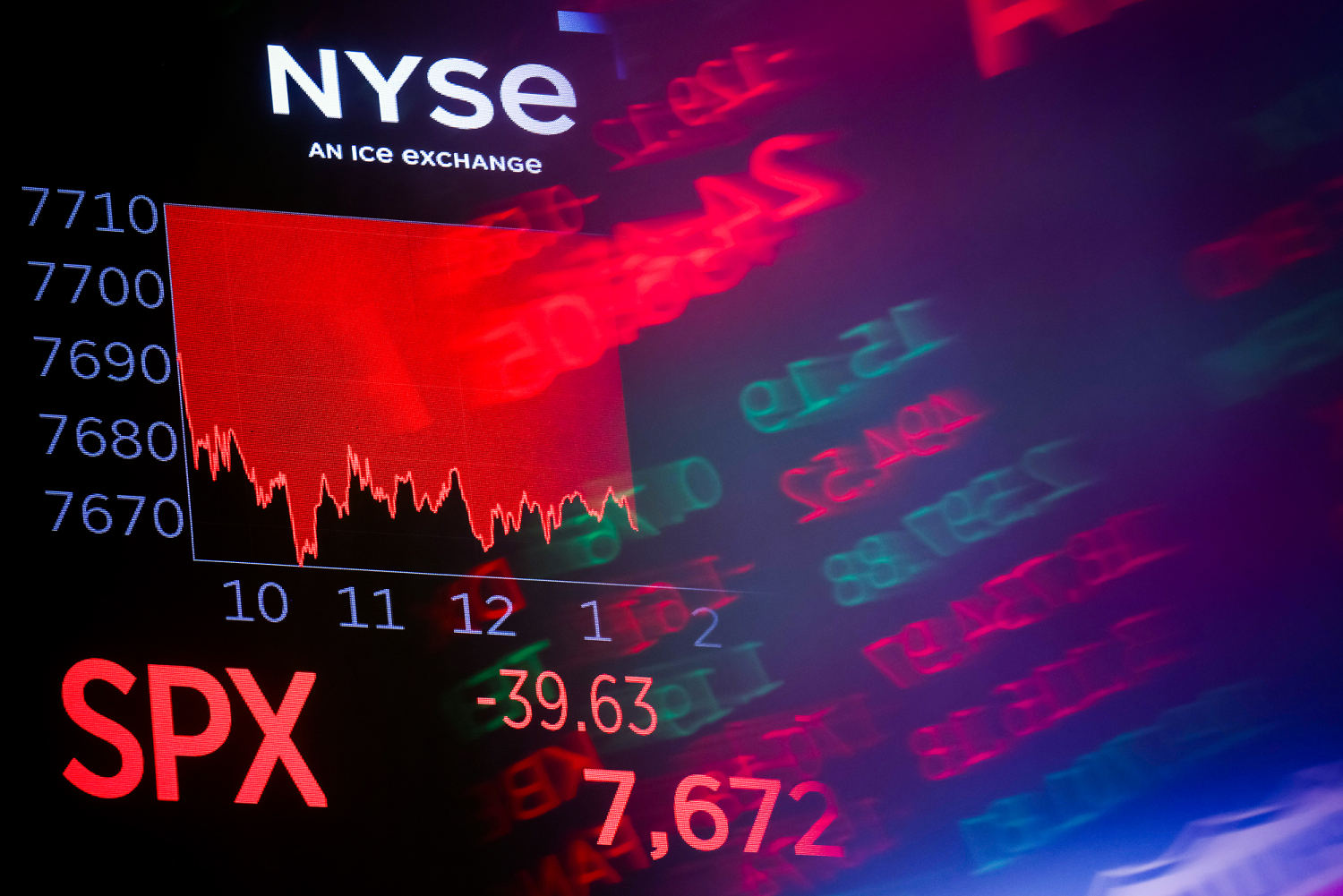
Multiple outlets reported that renewed U.S.-Iran military strikes pushed oil prices higher in early September 2026, contributing to volatility in stocks and bonds and raising fuel costs for consumers. Coverage varied in focus, with some outlets emphasizing Wall Street's reaction and others highlighting the direct impact on fuel prices, such as in the UK.
In early September 2026, U.S. and Iranian forces exchanged renewed military strikes, an event corroborated by multiple outlets including The New York Times, NBC News, and PBS NewsHour. This military escalation was reported to be a primary driver behind a sharp rise in global oil prices during the same period. The renewed conflict occurred against a backdrop of existing economic pressures, including a sell-off in U.S. government bonds and broader concerns about inflation and interest rates. As a direct consequence of the oil price increase, U.S. stock markets experienced downward pressure, as reported by PBS NewsHour and NBC News. The rising cost of oil also had tangible effects on consumers outside the U.S.; BBC News reported that petrol prices in the United Kingdom rose by 5p over one week, reaching 167.17p per litre. This increase was identified as the biggest weekly rise in fuel costs since April 2026. NBC News and The New York Times both linked the market instability to a combination of factors, including the war, rising government debt, and persistent inflation fears alongside the potential for a Federal Reserve interest-rate hike. The current status of the U.S.-Iran conflict and its immediate resolution remain unconfirmed by the supplied reports, which focus primarily on the economic fallout rather than the military or diplomatic specifics of the clashes. It is unresolved whether the bond sell-off preceded or was solely caused by the Iran conflict, as PBS NewsHour described it as an 'ongoing' issue exacerbated by oil prices. Future economic policy actions, such as a potential Federal Reserve rate hike mentioned by NBC News, remain a speculative outcome rather than a confirmed next step.
SOURCE COMPARISON
How the coverage differs
Brazil is in fashion, as Brazilians like to say. Here's why
Brazil is experiencing a cultural surge as celebrities and tourists embrace its vibrant culture
Read original report ↗Markets Waver as Investors Assess War, Debt and Inflation
U.S. and Iranian forces traded attacks again, pushing oil prices higher as bond yields remained elevated.
Read original report ↗Petrol prices rise by 5p over a week as Iran war sends oil higher
A litre of unleaded now costs 167.17p which is the biggest weekly increase since April, data shows.
Read original report ↗Stocks slip on Wall Street under pressure from rising oil prices, bond sell-off
Much of the continued pressure being felt by Wall Street is coming from an ongoing sell-off in U.S. government bonds.
Read original report ↗Oil prices surge after U.S. renews Iran strikes, heightening inflation fears
Stocks and bonds are already under pressure from a global sell-off and fears that an interest-rate hike by the Fed would rein in economic growth.
Read original report ↗