Illinois Enacts AI Accountability Law; Separate Connecticut Earmark Transparency Bill Signed
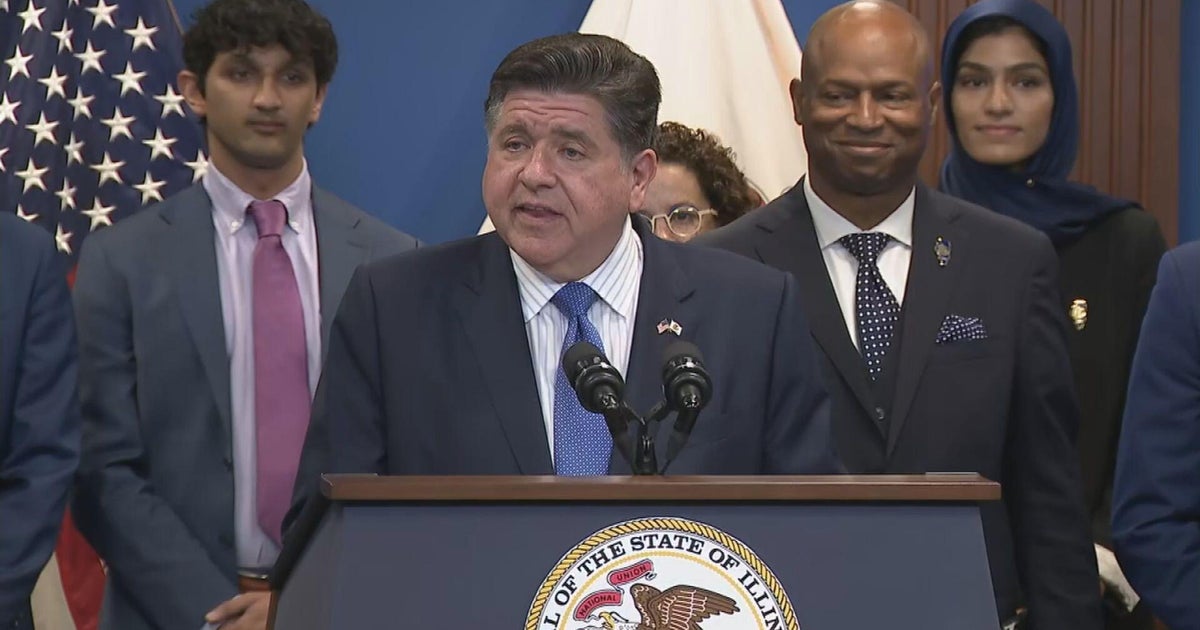
Two unrelated state-level bill signings were reported: Illinois Gov. JB Pritzker signed Senate Bill 315 establishing accountability rules for AI developers, while Connecticut Gov. Ned Lamont separately signed Public Act 26-27 requiring public disclosure of state earmark spending. Coverage of the Illinois law emphasized its scope and comparison to other states, with the Chicago Sun-Times highlighting stricter audit requirements and framing the law as targeting major AI firms, while CBS News Chicago focused more on Pritzker's stated concerns about AI risk.
On July 6, Illinois Gov. JB Pritzker signed Senate Bill 315, a law creating accountability measures for artificial intelligence developers. The law is modeled on similar 2025 legislation enacted in New York and California. Separately, on May 19, Connecticut Gov. Ned Lamont signed Public Act 26-27, which requires the state to publicly disclose information about earmark spending decisions; the bill had passed the Connecticut legislature with unanimous support before reaching his desk. Regarding the Illinois law, both CBS News Chicago and the Chicago Sun-Times reported that Pritzker signed SB 315 to hold AI companies accountable, aligning it with existing frameworks in New York and California. The Sun-Times reported additional detail not corroborated elsewhere, stating the law targets large AI developers such as OpenAI and Anthropic and requires annual independent audits, which it characterized as going further than the New York and California laws. Pritzker was quoted describing AI as having transformative potential alongside risks that are not yet fully understood. For the Connecticut law, Lamont stated that residents are seeking greater transparency and accountability regarding state earmark spending, and the legislation mandates that such spending decisions be made public. The two signings are unrelated events reported independently by different sources. Specific enforcement mechanisms, penalties, or implementation timelines for the Illinois AI law beyond the audit requirement were not detailed across multiple sources and remain unconfirmed. Details on how or when Connecticut's earmark transparency data will be published, and which agency will oversee disclosure, were not specified in available reporting. The claim that Illinois' law specifically targets named companies like OpenAI and Anthropic comes from a single source and is not corroborated elsewhere.
SOURCE COMPARISON
How the coverage differs
Pritzker signs new Illinois law creating accountability for artificial intelligence developers
Illinois Gov. JB Pritzker signed Senate Bill 315 on July 6, holding AI companies accountable and modeled after 2025 laws in New York and California. Pritzker said AI carries transformative potential but also catastrophic risk that isn't fully understood.
Read original report ↗Gov. JB Pritzker signs Illinois AI regulations into law, aiming to rein in 'the tech bros'
Illinois' new AI guardrails targeting megadevelopers like OpenAI and Anthropic mirror similar rules in New York and California but go further by requiring annual independent audits. The law fills a regulatory gap left by federal inaction, according to Sun-Times reporting.
Read original report ↗Governor Lamont signs legislation increasing transparency on earmarks
Governor Ned Lamont signed Public Act 26-27, requiring information on state earmark spending decisions be made public, after the legislature unanimously voted to send the bill to his desk. Lamont said residents are demanding greater transparency and accountability on such spending.
Read original report ↗