Governor Ferguson Signs Emergency Proclamation, Secures Federal Health Emergency for Wildfire-Affected Communities
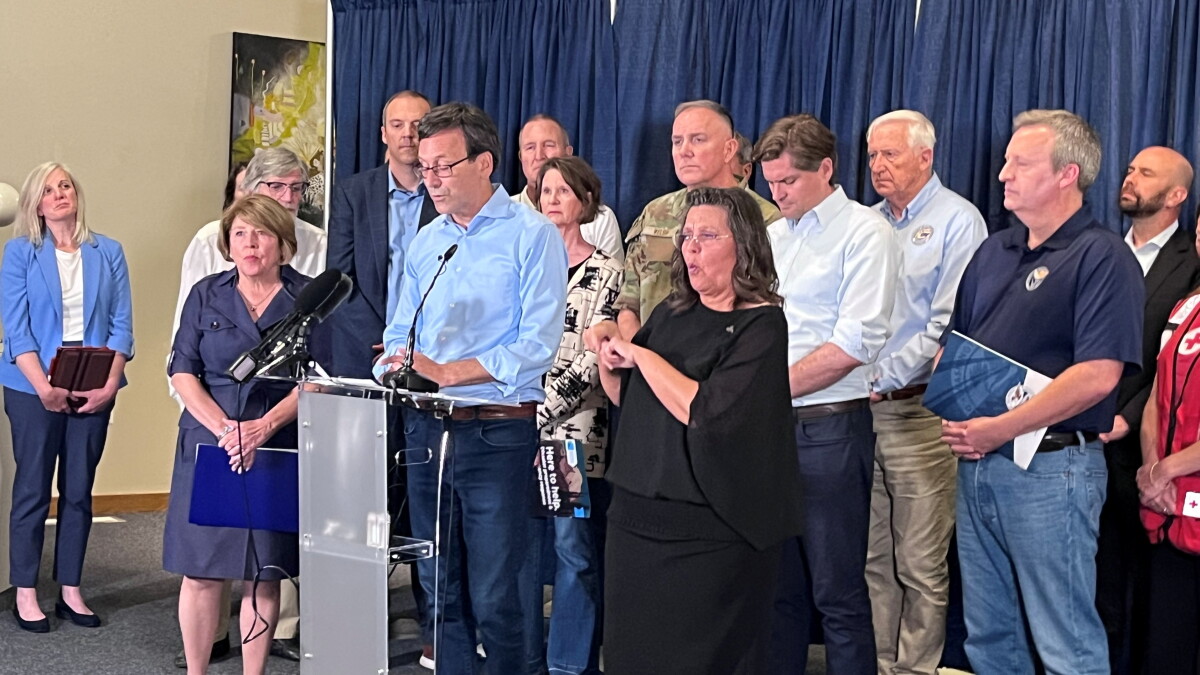
Washington Gov. Bob Ferguson took two related actions in response to wildfires in eastern and central Washington: signing a state emergency proclamation suspending certain laws and securing a federal public health emergency declaration from HHS. Coverage from the Governor's office and Spokane Public Radio both describe these wildfire-response measures, though they emphasize different aspects—the state proclamation's legal suspensions versus the federal health emergency's healthcare access provisions. Separate reports on the state budget outlook and supplemental budget priorities are unrelated to the wildfire response but were included in the same batch of coverage.
Washington Gov. Bob Ferguson signed an emergency proclamation suspending several state laws to assist people affected by wildfires in eastern and central Washington. The announcement was made at a press conference at Spokane City Hall alongside Spokane Mayor Lisa Brown, with participation from the Washington National Guard adjutant general, the state Insurance Commissioner, and the state Treasurer. Separately, Ferguson announced that the U.S. Department of Health and Human Services approved his request to declare a federal Public Health Emergency for communities affected by the wildfires. This federal declaration is intended to increase access to healthcare and other critical services for residents in the affected areas. Both the state proclamation and the federal declaration were issued in direct response to the wildfire damage in eastern and central Washington. The exact laws suspended under the state proclamation, the specific counties or communities designated under the federal health emergency, and the scale of damage or displacement caused by the wildfires were not detailed in available reporting. It remains unresolved how the two actions—the state proclamation and the federal emergency declaration—interact or what additional resources, if any, have been allocated as a result. No information was provided on the timeline for lifting either declaration or on further state or federal actions planned in response to the wildfires.
SOURCE COMPARISON
How the coverage differs
Governor Ferguson signs emergency proclamation suspending state laws to help wildfire victims
Washington Gov. Bob Ferguson signed an emergency proclamation suspending several state laws to support people affected by recent wildfires in eastern and central Washington. The announcement was made alongside Spokane Mayor Lisa Brown at a press conference at Spokane City Hall, with other statewide officials including the Washington National Guard adjutant general, Insurance Commissioner, and Treasurer also speaking.
Read original report ↗Governor Ferguson announces federal public health emergency for communities impacted by wildfires
Washington Gov. Bob Ferguson announced that the U.S. Department of Health and Human Services approved his request to declare a Public Health Emergency in response to the devastating wildfires in Eastern Washington. The declaration increases access to healthcare and critical services for affected communities.
Read original report ↗Washington governor warns of 'dire' budget outlook, vows not to propose new taxes
Washington Gov. Bob Ferguson said state agencies should prepare for difficult budget decisions as his administration begins crafting the next state spending plan, warning that the state's fiscal situation is dire while pledging not to propose new taxes. State Sen. Chris Gildon, the Senate Republican budget leader, said majority Democrats ignored repeated warnings about budget sustainability.
Read original report ↗Governor Ferguson announces supplemental budget
Washington Gov. Bob Ferguson announced transportation and housing budget priorities, including $2.1 billion for transportation infrastructure — the largest such investment in an enacted budget in 20 years. The budget also includes $55 million to maintain Cascade Care premium subsidies and uses Climate Commitment Act revenue for the Working Families Tax Credit.
Read original report ↗