Pentagon Inspector General Report Details Munitions Shortfalls, Losses in Ongoing Iran War
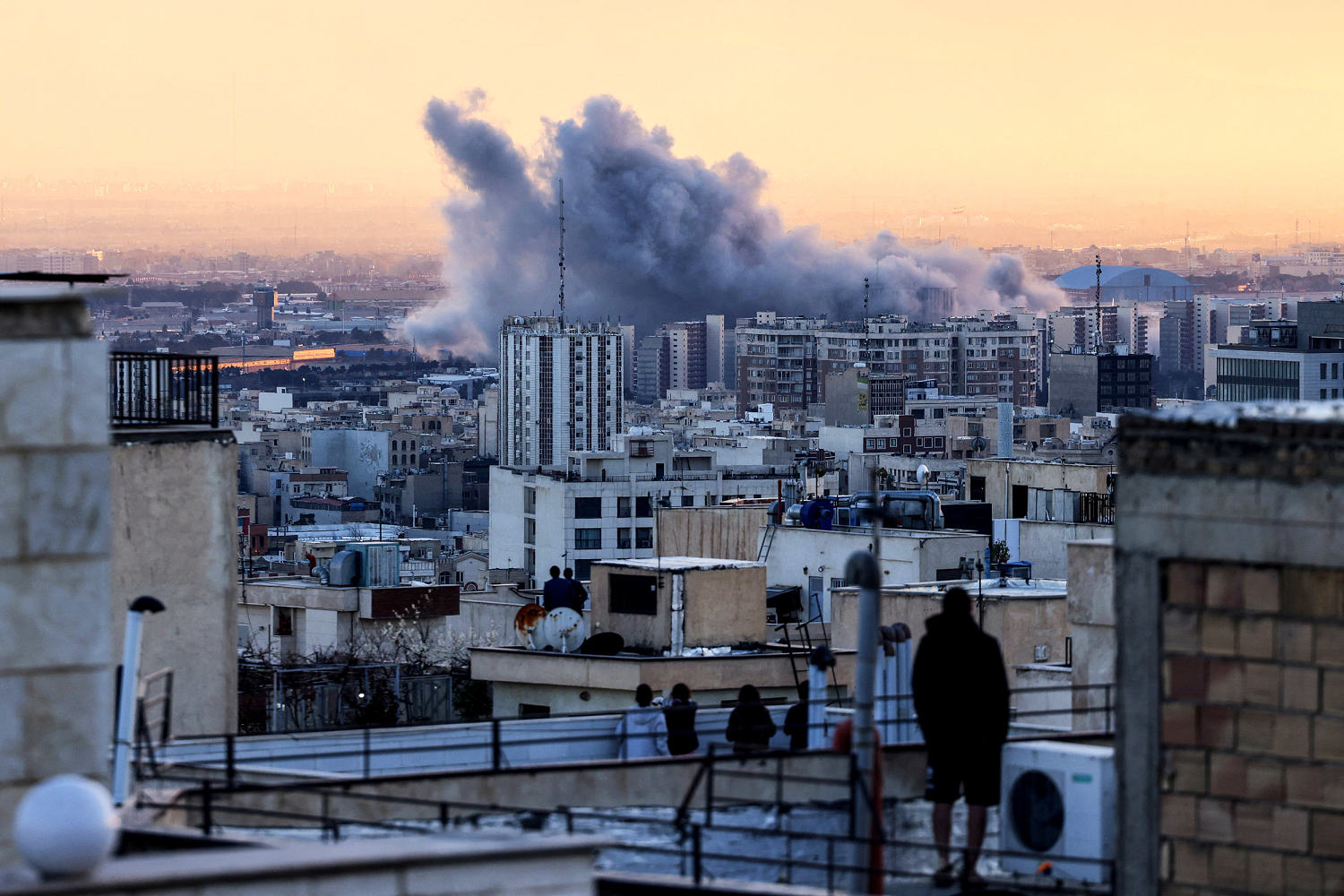
A Pentagon inspector general report, the first public assessment of the U.S.-Israel war against Iran that began February 28, found munitions shortfalls and resupply bottlenecks despite President Trump's claims of virtually limitless supplies. Coverage varied in emphasis: The New York Times and BBC focused on the report's specific findings on losses and shortages, while NPR and Politico Europe offered broader analysis of the military's strategic difficulties, including missile shortages, prolonged deployments, and strained alliances.
A Pentagon inspector general released the first public report assessing the U.S. military's involvement in the ongoing war against Iran, which began February 28, 2026, alongside Israel. The report, detailed in reporting published between mid-August and mid-September 2026, documents a shortfall of U.S. munitions and identifies a bottleneck in resupply operations. According to the inspector general's findings, hundreds of military facilities were destroyed during the conflict, and helicopters used for evacuating casualties were pulled from four countries to support operations. The report's conclusions on munitions shortages directly contradict public statements by President Donald Trump, who has claimed U.S. supplies are "virtually limitless." Separate analysis cited by NPR, including comments from defense analyst Stacie Pettyjohn, indicates the U.S. military is also experiencing long-range missile shortages and has vacated regional bases amid prolonged deployments, while Iran has continued producing cheaper weapons at a rapid pace. The war remains ongoing as of the most recent reporting, with no confirmed resolution or ceasefire indicated in the available accounts. Broader questions about the strategic implications of the conflict, including whether the difficulties in subduing Iran and depleted stockpiles have affected U.S. military standing and alliance relationships, are raised in some reporting but characterized as matters of ongoing debate among military officials rather than confirmed fact. Precise figures on the number of destroyed facilities, the extent of munitions shortfalls, and the specific countries from which evacuation helicopters were drawn are not detailed beyond what the inspector general's report outlines, and full documentation of the report's contents was not independently verified across all sources.
SOURCE COMPARISON
How the coverage differs
Pentagon Inspector General Details U.S. Losses and Challenges in Iran War
Helicopters for evacuating casualties were pulled from four countries, and hundreds of military facilities were destroyed, according to a new report.
Read original report ↗Iran war has led to US munitions shortfalls, Pentagon inspector confirms
The inspector also found a bottleneck in resupply, despite President Donald Trump's claims that US supplies are "virtually limitless".
Read original report ↗Pentagon inspector general says Iran war has led to a shortfall of U.S. munitions
It’s the first public report on the ongoing war started Feb. 28 by the U.S. and Israel.
Read original report ↗Why does the U.S. military seem stymied in the war with Iran?
Defense analyst Stacie Pettyjohn says while the U.S. military is facing long-range missile shortages, prolonged deployments and vacated regional bases, Iran is building cheaper weapons quickly.
Read original report ↗How the Iran war has made the US more vulnerable
The Pentagon’s inability to subdue Tehran, dwindling weapons stockpiles and distancing from allies have led U.S. military officials to question whether America maintains its clout.
Read original report ↗