Houthi Attacks on Saudi Oil Tankers Push Global Crude Prices to $100 a Barrel
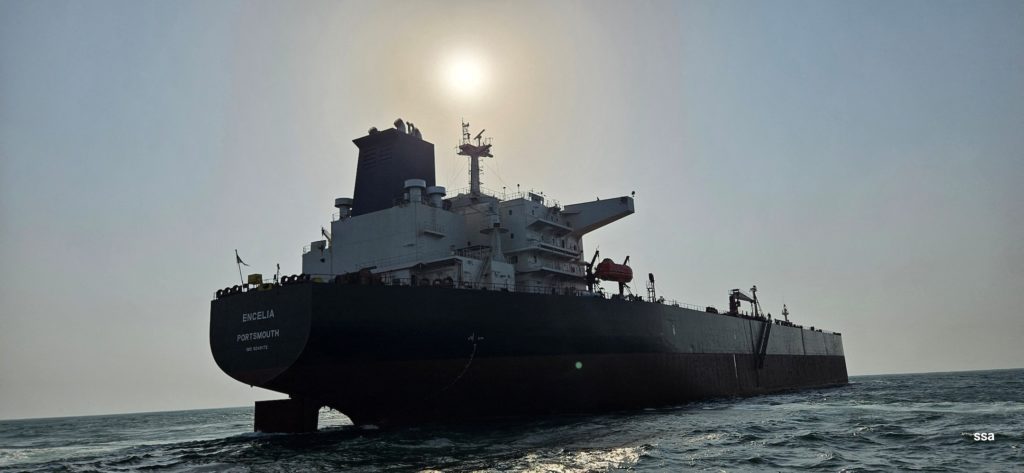
Iran-backed Houthi rebels in Yemen attacked two Saudi Arabian oil tankers in the Red Sea, an event that coincided with global oil prices reaching $100 a barrel for the first time since May 22. Coverage across outlets converged on the price impact and the strategic significance of the attack, while some reports added context through diplomatic analysis or unrelated same-day news such as new U.S. tariffs.
On or around July 23, 2026, Houthi rebels based in Yemen and backed by Iran attacked two Saudi Arabian oil tankers, identified as the Encelia and the Layla, in the Red Sea. The Houthis claimed responsibility for the strikes, which multiple outlets reported as the first known attack since the group announced a blockade earlier that week targeting Saudi vessels attempting to transit the Bab el-Mandeb Strait. Following the attacks, global oil prices surged to $100 per barrel, a level not reached since May 22, according to data cited from FactSet. The price spike raised concerns among analysts and media outlets about potential downstream effects on gasoline prices in the United States. The attacks were characterized as opening a new front in the broader Middle East conflict, with the Red Sea and the Bab el-Mandeb Strait, a key global shipping corridor, at the center of the disruption. As of the reporting period, the extent of damage to the two tankers, any casualties, and the precise timeline of the blockade's enforcement remain unspecified in available reporting. It is also unresolved how significantly the attacks will affect long-term oil and gas prices, though economic analysts have begun assessing potential impacts on U.S. consumers. Diplomatic and policy responses were being examined, including commentary from a former U.S. special envoy to Yemen, but no confirmed governmental or international actions in direct response to this specific attack were reported.
SOURCE COMPARISON
How the coverage differs
Oil surges to $100 per barrel. And, Trump imposes a new round of tariffs
Oil surged to $100 per barrel after Iran-backed Houthi rebels attacked two Saudi tankers in the Red Sea. And, President Trump overnight replaced expiring tariffs with a slew of new ones.
Read original report ↗Former U.S. diplomat breaks down Houthi attacks on Red Sea shipping
For perspective on the Houthis' efforts to block shipping in the Red Sea, Amna Nawaz spoke with Timothy Lenderking. During his decades-long career as a U.S. diplomat, he served as special envoy to Yemen and as acting assistant secretary for Near East Affairs. He's now at the law firm Squire Patton Boggs.
Read original report ↗New Concerns Over Oil Prices After Houthis Attack Saudi Tankers
There are new concerns about the future of oil and gas prices after Yemen-based Houthi rebels, backed by Iran, attacked two Saudi Arabian oil tankers in the Red Sea. NBC’s Richard Engel reports on the new front in the Middle East conflict and Christine Romans joins TODAY with analysis on the economic impact to gas prices in the United States.
Read original report ↗Global oil prices hit $100 a barrel amid attacks in Red Sea
The last time global oil prices settled above $100 was on May 22, data from FactSet shows.
Read original report ↗Houthis say 2 Saudi oil tankers attacked in Red Sea
Houthi rebels in Yemen said Thursday they struck a pair of Saudi Arabian oil tankers in the Red Sea, the first known attack since the group announced a blockade of Saudi ships attempting to go through the Bab el-Mandeb Strait earlier this week. The Houthis said they hit the two tankers, named Encelia and Layla,...
Read original report ↗