AfD Wins German State Election but Falls Short of Majority; Sweden's Far Right Loses Ground
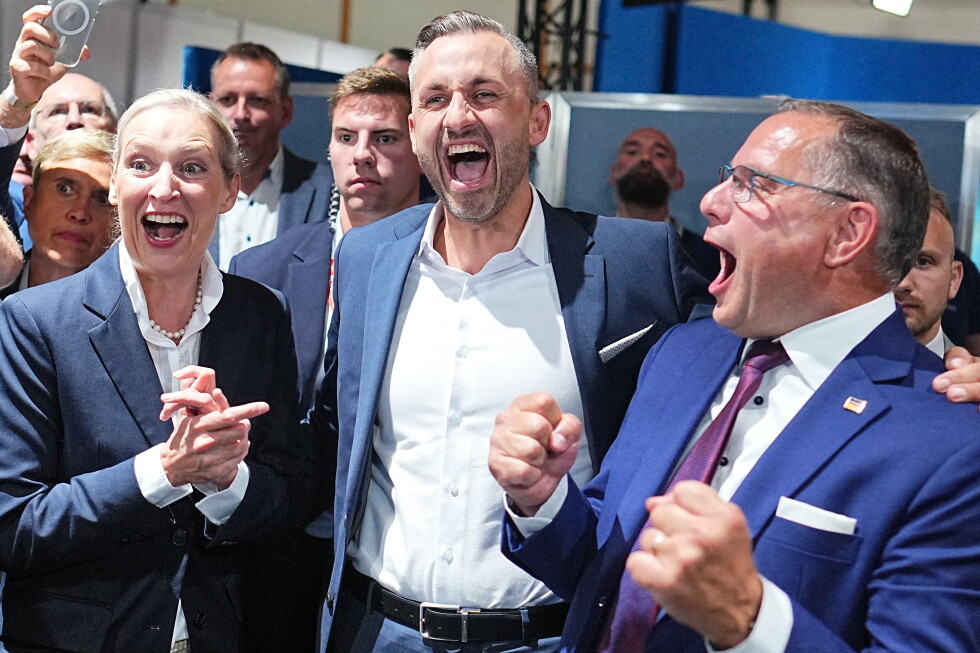
Reports cover two related European elections: a German state election in which the far-right Alternative for Germany (AfD) won the largest share of the vote but fell short of an absolute majority, and Sweden's subsequent general election in which the far-right Sweden Democrats lost support. Coverage differs in emphasis, with some outlets framing the results as a warning about far-right momentum in Europe and others highlighting Sweden's shift away from it, while analysis pieces focus on political lessons and pressure on German Chancellor Friedrich Merz.
In early September 2026, the far-right Alternative for Germany (AfD) party won a regional state election with the largest vote share but did not secure an absolute majority in the state legislature. The result placed pressure on German Chancellor Friedrich Merz and his party following their defeat in the vote. Mainstream parties have maintained a longstanding refusal, described as a political "firewall," to govern in coalition with AfD, meaning the party's electoral strength did not translate into governing power despite its strong showing. Days later, on September 20-21, 2026, Sweden held a general election in which the far-right Sweden Democrats, a party with historical neo-Nazi roots that had influenced government policy for the prior four years, saw a decline in support. Swedish party leaders Magdalena Andersson and Ulf Kristersson were both cited in coverage of the election's outcome. Analysts and reporters framed the result as a reversal of the far right's prior gains in Sweden, contrasting it with concurrent far-right momentum elsewhere in Europe, including Germany. The precise final vote percentages and seat counts for both the German state election and the Swedish general election were not specified across the available reporting. The broader implications for coalition-building in the German state, and whether Sweden's election results will lead to changes in governing arrangements involving the Sweden Democrats, remain unresolved based on available information. Commentary comparing the two elections as contrasting trends in European far-right politics reflects analysis and framing choices by individual outlets rather than confirmed causal connections between the two events.
SOURCE COMPARISON
How the coverage differs
Why the far right lost: 11 lessons for Europe from Sweden’s election
POLITICO spoke to party leaders Magdalena Andersson and Ulf Kristersson — and leading analysts — to understand the far-right Sweden Democrats' fall in support, and what it means.
Read original report ↗Sweden voted against more power for the far right – but are centrists listening?
Even as the ‘extremist’ AfD seeks further election gains in Germany, Europe’s leaders can learn from Sweden’s dangerous embrace with far-right ideology Don’t get This Is Europe delivered to your inbox? Sign up here Europe’s focus turned nervously to Sweden on Sunday, after an explosive election in Germany just a week earlier placed a far-right party, officially classed as “extremist”, on the brink of power in a German state for the first time since the Nazi era. A party with neo-Nazi roots has been pulling the government’s strings in Sweden for the last four years – would the country’s general election put the far right formally in government? Or would enough Swedes opt for a gear change, ha
Read original report ↗German chancellor faces pressure after far-right party wins in state election
German Chancellor Friedrich Merz faces pressure after his party's defeat by the far-right Alternative for Germany party, or AfD, in a regional election
Read original report ↗Partido alemán de ultraderecha gana elección regional por amplio margen, pero no alcanza una mayoría
Read original report ↗Far-right AfD wins big in German regional election, falls short of majority
Alternative for Germany failed to secure an absolute majority in the state legislature to govern alone and overcome the so-called firewall of mainstream parties' refusal to work with AfD.
Read original report ↗