Pollution accelerating glacier melt in Nepal and Tibet
A report describes how soot pollution from vehicles and factories is darkening glaciers in Nepal and Tibet, accelerating melting and raising flood risks.
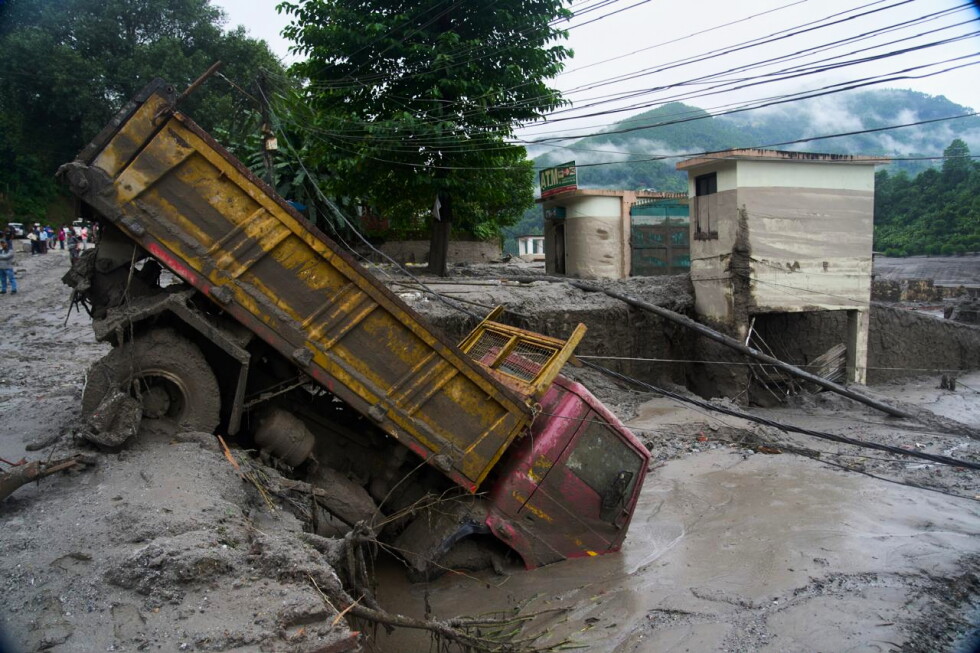
In late August 2026, a large glacier broke away from a mountaintop in the Himalayas and cascaded into a valley, triggering flash floods that struck Nepal and the neighboring Tibet region of China on Wednesday, August 26. The disaster caused widespread destruction along the Nepal-China border area, including at a vital trade crossing, and affected communities on both sides of the frontier. By August 29, Nepali officials reported the death toll had surpassed 600, with estimates of missing persons ranging from roughly 2,500 to 3,000 across Nepal and Tibet combined; more than 100 of those unaccounted for were reported to be Indian nationals. The Nepali Army conducted rescue operations, including freeing people trapped in a tunnel at the Rasuwa Hydropower project, though a military spokesperson said helicopter operations were suspended early Saturday due to poor weather. Coverage from Nepal documented the scale of destruction more rapidly than reporting from the Chinese-controlled Tibet side, where state media reportedly emphasized rescue efforts over damage assessment amid restricted information flow. As of the latest reports, search and rescue efforts continued, with the exact death toll and number of missing persons still being finalized and subject to revision. The disparity in casualty and missing-person figures between outlets reflects the fluid nature of the crisis and differing access to information in Nepal versus Tibet. Scientists cited in coverage linked the glacier collapse to broader climate warming trends, warning that similar glacial lake outburst floods are likely to become more frequent in the region. The full extent of damage in Tibet remains unresolved due to limited independent reporting access.
SOURCE COMPARISON
How the coverage differs
A Melting Glacier in Nepal Was a Time Bomb. There Are More to Come.
A geologist reflects on the disaster and explains why rapid warming will make deadly glacial floods far more common.
Read original report ↗The final minutes before floodwater crashed through Nepal-China border
More than 100 Indians are missing at a vital Nepal-China trade crossing after devastating Himalayan floods.
Read original report ↗Chinese control of information hampers assessment of Tibet flood damage
Scale of devastation emerges in Nepal as reporters reach disaster area, but Chinese state media focus more on rescue efforts Nepal-Tibet flash flood – latest updates In the days since an enormous glacier in the Himalayas snapped away from a mountaintop and cascaded into the valley below, the true scale of the devastation caused by the flash floods in Nepal and Tibet is still unfolding. But the picture is emerging far more quickly in Nepal than in China, where strict controls on the flow of information from one of its most sensitive regions are hampering the public’s understanding of events. Continue reading...
Read original report ↗Nepal floods highlight growing glacier risks in warming Himalayas
Read original report ↗Nepal flash flood deaths surpass 600, with around 3,000 still missing
A Nepali Army spokesperson said early Saturday that helicopter operations were on hold until weather conditions improved.
Read original report ↗Photos: See the aftermath of deadly flash floods in Nepal
Nepal officials say the death toll has continues to rise in Wednesday's floods that washed away communities in Nepal and Tibet, which is held by China. About 2,500 people are missing in both areas.
Read original report ↗Nepali army rescues people trapped in a tunnel after flooding
Video shows the Nepali army rescuing people from the Rasuwa Hydropower tunnel after catastrophic flooding struck the region.
Read original report ↗