Trump Administration Imposes New Tariffs on Dozens of Countries Citing Forced Labor Concerns
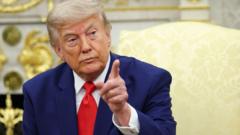
The Trump administration imposed new tariffs of roughly 10% to 12.5% on imports from dozens of countries, citing inadequate enforcement of bans on forced-labor goods, timed to replace expiring stopgap Section 122 tariffs. Outlets differ on the exact number of countries affected, ranging from about 60 to over 80, and coverage splits between straightforward policy reporting and pieces examining whether the move circumvents Congress or reflects an editorial critique of Trump's tariff strategy.
The Trump administration announced new tariffs ranging from approximately 10% to 12.5% on imports from dozens of countries, taking effect Friday, July 24, 2026, as previous stopgap 10% tariffs under Section 122 expired. The administration justified the new duties, reportedly under Section 301 authority, by citing countries' inadequate enforcement of bans on goods produced using forced labor. Reports vary on the scope of countries affected, with figures cited between 60 and over 80 nations, and NPR reported the affected countries account for roughly 99% of U.S. imports. The new tariffs replace stopgap levies that Trump had imposed following a Supreme Court ruling earlier in the year that struck down a prior tariff structure. Australia was specifically identified as facing a new 12.5% tariff under the policy. Australian Trade Minister Don Farrell called the tariff regime unjustified and inconsistent with the U.S.-Australia free trade agreement, and the Albanese government demanded the tariffs be removed, though Australia's three largest export categories were reportedly treated differently, according to the government. The Wall Street Journal's editorial board criticized Trump's continued reliance on tariffs despite what it described as political unpopularity and economic harm. The tariffs took effect immediately upon the expiration of the prior stopgap levies, with no gap in coverage reported. It remains unresolved whether the new tariffs will face legal challenges similar to those that led to the Supreme Court striking down the earlier tariff regime, and whether the administration's use of Section 301 authority to justify the tariffs will withstand scrutiny. The precise total number of countries affected and specific country-by-country tariff rates beyond Australia were not consistently detailed across reports, and Australia's negotiations with the U.S. over its own tariff treatment remain ongoing and unresolved.
SOURCE COMPARISON
How the coverage differs
A forced-labor crackdown or an end-run around Congress? Dissecting Trump's new tariffs
A forced-labor crackdown or an end-run around Congress? Dissecting Trump’s new tariffs
Read original report ↗WSJ editorial board rips Trump over tariff 'obsession'
The Wall Street Journal’s editorial board published an op-ed on Friday ripping President Trump’s latest “obsession” with tariffs that “despite their political unpopularity and economic harm.” The administration announced its newest slate of policies that are replacing the lapsing Section 122 tariffs with Section 301. The editors said Trump “doesn’t seem to care about the...
Read original report ↗Trump to impose double-digit tariffs on dozens of countries
The United States will slap taxes of 10% to 12.5% on imports from 60 countries accounting for 99% of U.S. imports, charging that they have inadequately enforced bans on goods produced by forced labor.
Read original report ↗Donald Trump hits Australian exports to US with new higher trade tariff over claims of ‘forced labour’
Australia’s trade minister, Don Farrell, says tariff regime is unjustified and inconsistent with free trade agreement with US Follow our Australia news live blog for latest updates Get our breaking news email , free app or daily news podcast Donald Trump has hit Australian exports with new trade tariffs, claiming the country is not doing enough to combat forced labour, but the Albanese government has demanded he remove them immediately. The United States announced on Friday morning (AEST) that many Australian exports now attract a new 12.5% tariff as part of a broader regime affecting dozens of countries. However the Albanese government says Australia’s three largest export categories – incl
Read original report ↗Trump imposes double-digit tariffs on dozens of countries as stopgap 10% levies expire Friday
President Donald Trump is going ahead with new double-digit tariffs on dozens of U.S. trading partners just as the clock runs out Friday on stopgap levies he imposed after a stinging defeat at the Supreme Court.
Read original report ↗Trump imposes new tariffs on dozens of countries, citing forced labor concerns
The Trump administration will impose tariffs of up to 12.5% on goods from 60 U.S. trading partners accused of failing to crack down on forced labor, extending the administration's tariffs on much of the world.
Read original report ↗Trump Administration Imposed New Tariffs of Around 10% on Over 80 Nations
The administration launched new duties tied to countries’ imports of goods made with forced labor, replacing a 10 percent tariff immediately after it expired.
Read original report ↗US hits dozens of countries with new wave of tariffs
Imposed citing forced labour concerns, the levies replace a temporary global duty brought in after the US Supreme Court struck down tariffs in February.
Read original report ↗Fresh wave of U.S. tariffs takes effect, hitting global trade partners
These new duties, which range from 10% to 12.5%, will take effect Friday morning, just as the previous tariffs expire.
Read original report ↗