New Wild Cat Species Identified in Bolivia's Yungas Forest
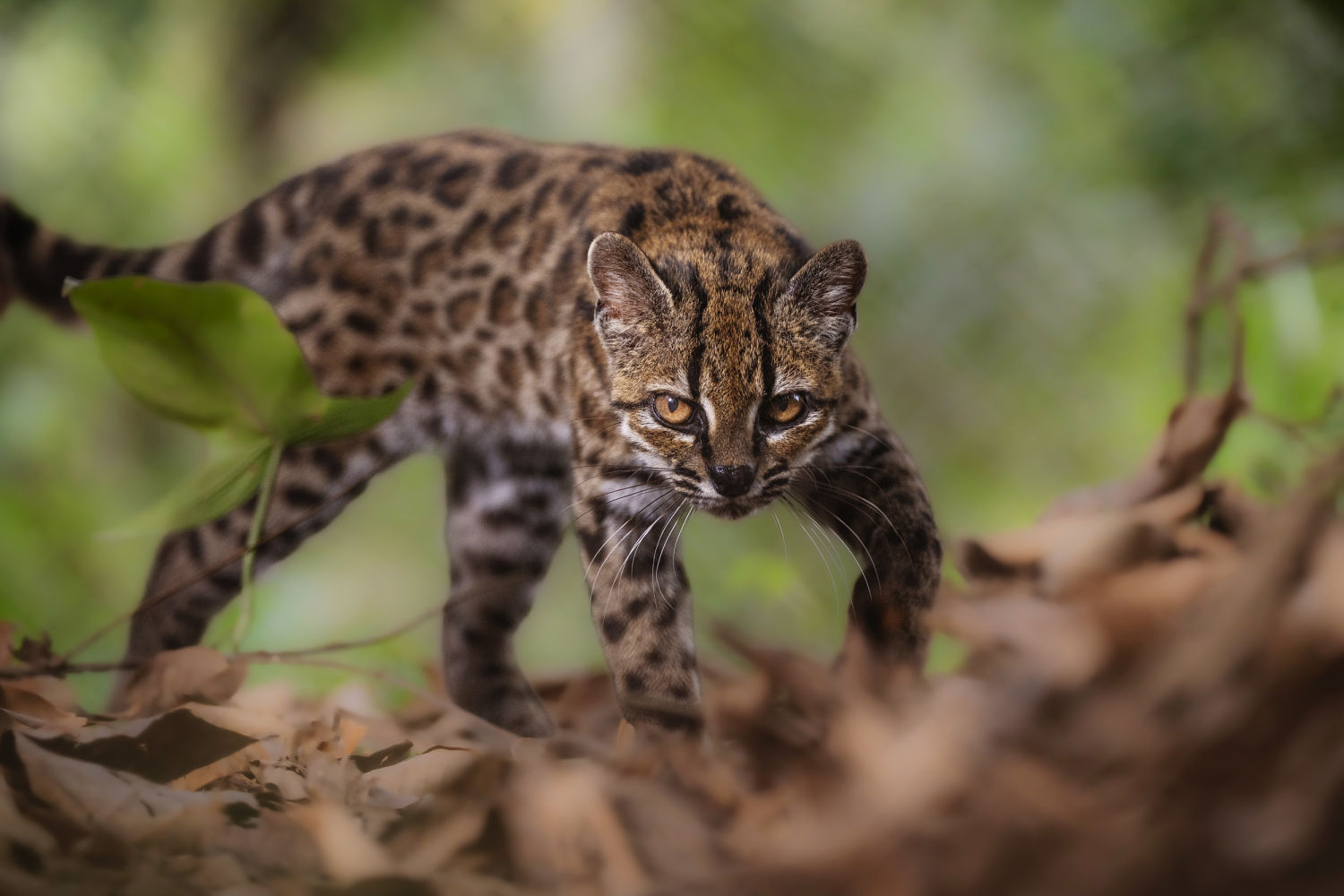
Researchers have identified a new species of wild cat in Bolivia, known locally as the tilcayo, marking the first formal description of a new living feline species in more than a century. Reports differ slightly in framing, with some outlets emphasizing the cat's small size and cloud-forest habitat, while others highlight the rarity of the scientific milestone.
Researchers have identified a new species of wild cat found in Bolivia's Yungas forest, a mountainous, cloud-covered region known for high humidity. The cat, called the tilcayo by local communities, belongs to a group known as tiger cats found across South America. Multiple reports state this marks the first time a new living feline species has been formally named and described in more than a century. According to the reporting, the tilcayo measures about 18 inches (46 cm) long and weighs approximately 3 pounds (1.4 kg), making it smaller than the average domestic cat. The animal had reportedly been living for years at a wildlife sanctuary in Bolivia after being taken in by a local family, having previously been mistaken for a related species before researchers determined it was genetically and physically distinct. A Bolivian researcher is credited with identifying the new species, though specific details of the scientific methods or publication used to confirm the classification were not consistently reported across sources. The species has now been documented in Bolivia's cloud forest habitat, though the full extent of its range, population size, and conservation status remain unresolved based on available reporting. It is unclear from the sources how many individual tilcayos have been observed or studied, or whether formal conservation measures are planned. The precise timeline of the discovery process, including when researchers first began investigating the animal at the sanctuary, was not detailed in the available reports.
SOURCE COMPARISON
How the coverage differs
Meet Earth's newest wild cat species, living in Bolivia and the first named in over a century
A previously unknown cat species has been identified in plain sight: at a wildlife sanctuary in Bolivia, where the small, spotted feline had been living for years after being taken in by a local family.
Read original report ↗New species of wild cat discovered for first time in more than a century
Scientists have discovered a new species of wild cat for the first time in more than a century, a Bolivian researcher says.
Read original report ↗New wild cat species discovered
A spotted wildcat long mistaken for relatives has been identified as a new species in Bolivia.
Read original report ↗New cat species identified for first time in more than a century in Bolivia
New species of wild feline was discovered in Bolivia’s Yungas forest that is smaller than the average domestic cat A diminutive wild cat that inhabits Bolivia’s cloud forest has been identified as a previously unknown species, marking the first time a new living feline species has been formally named and described in more than a century. The cat, called tilcayo by local communities, is part of a group called tiger cats found across much of South America. It was found in Bolivia’s lush Yungas forest, a mountainous region where forests are often covered by clouds and surrounded by high humidity, according to researchers. It measures about 18in (46cm) long and weighs about 3lb (1.4kg), mak
Read original report ↗New wild cat species is identified for first time in 100 years, researchers say
Researchers say they’ve identified a new species of wild cat previously unknown to science. The Tilcayo tiger cat is smaller than a typical house cat and lives in the Bolivian cloud forest.
Read original report ↗