Trump's Beef Import Plan Draws Republican and Rancher Pushback
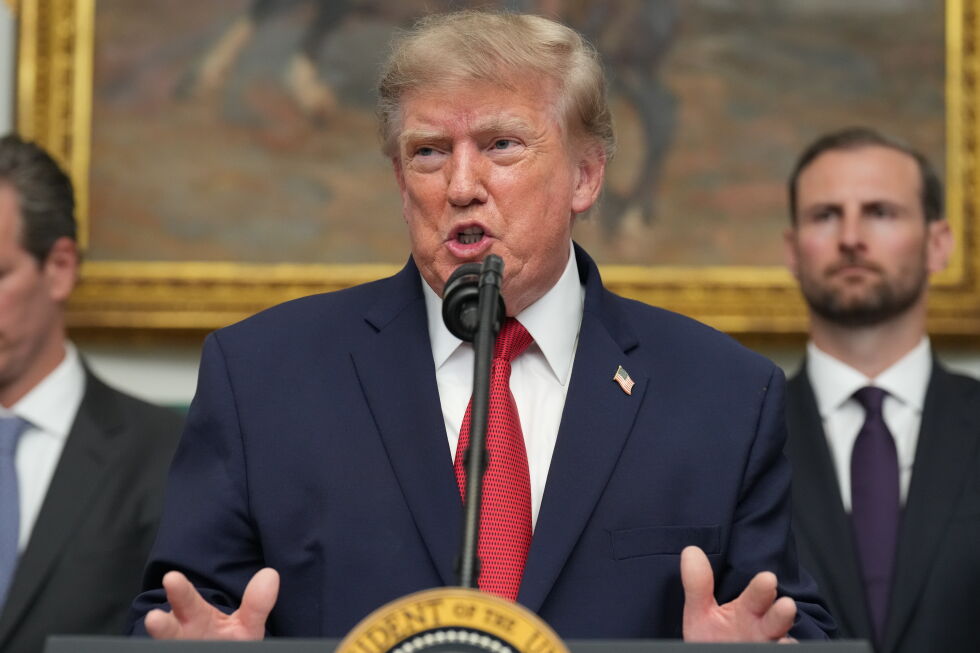
President Trump announced a plan to suspend tariffs on imported beef in an effort to lower grocery prices ahead of the November midterms, prompting criticism from ranchers and Republican lawmakers in cattle-producing states. Outlets differ in emphasis: some focus on the political risk to Republicans in competitive races, while others center on the executive actions signed to soften the policy's impact on domestic ranchers.
President Trump announced a plan to suspend tariffs on foreign beef imports, aiming to reduce grocery prices for Americans ahead of the November midterm elections. The plan drew backlash from cattle ranchers and Republican lawmakers, including Senators Tom Cotton and Tim Sheehy, who represent states with significant cattle farming industries. Critics argued that flooding the market with cheap imported beef would undercut domestic producers and hinder ranchers' ability to rebuild their herds after years of drought-reduced cattle numbers. Trump signed a proclamation suspending higher tariffs on 300,000 metric tons of foreign beef imports for a 90-day period. He also signed executive orders, including one intended to provide relief or support for ranchers, in an apparent effort to offset criticism of the import plan. Four leading livestock and agricultural organizations sent a letter to the president urging him to reverse the policy, warning of long-term damage to the domestic cattle industry. Reports differ on the exact date the proclamation was signed, with references to both Wednesday and Friday signings, indicating some ambiguity in the reported timeline. As of the latest reporting, the 90-day tariff suspension remains in effect, and the accompanying executive orders for ranchers have been signed, though specific details of that relief have not been consistently detailed across sources. It remains unresolved whether the administration will adjust or extend the policy in response to continued pressure from Republican senators and agricultural groups. The political impact on Republican candidates in the midterms, particularly in cattle-heavy states, remains a point of ongoing concern but is not yet resolved.
SOURCE COMPARISON
How the coverage differs
Trump faces down beef backlash. Will import plan pay off?
President Trump is pushing ahead with his plan to import foreign beef as a way to reduce prices for Americans, despite the backlash from cattle farmers and Republicans whose states would be most be most affected. In an apparent effort to soften the blow, Trump signed executive orders Friday, including one that allows ranchers and...
Read original report ↗Canadian prime minister and New York lawmaker denounce Trump’s move to rename Lake Ontario as Lake America – as it happened
This live blog is now closed. Sign up for the Breaking News US email On Wednesday, Trump officially signed a proclamation on Wednesday that suspends higher tariffs on 300,000 metric tons of foreign beef imports for 90 days. This comes after backlash to the proposal – designed to lower grocery costs for Americans in the run-up to the November midterms. Several Republicans – in states with sizable cattle farming industries – have criticized the policy, saying it is a short term solution that will stymie ranchers’ ability to rebuild their herds. Four leading livestock and agricultural organizations also wrote a letter to the president on Wednesday urging him to reverse course. “Flooding the mar
Read original report ↗Trump faces backlash from ranchers over plan to import beef
Backlash is mounting over President Trump's plan to pause tariffs on imported ground beef. The announcement has drawn sharp criticism from both ranchers and Republican politicians, who say the cheap imports will undercut struggling American producers and weaken the industry in the long term. Geoff Bennett discussed more with Walter Schweitzer of the Montana Farmers Union.
Read original report ↗Trump wants cheaper beef. Republicans in key races warn his plan goes too far
Senate Republicans, including Tom Cotton and Tim Sheehy, push back on Trump's plan to import 300,000 metric tons of foreign ground beef to lower prices.
Read original report ↗Trump’s Economic Approach Draws Concern From Some Republicans
A plan to lower tariffs on imported beef and trade tensions with Canada have compounded some G.O.P. worries about a central issue in the midterms.
Read original report ↗