Discarded SpaceX Rocket Stage Crashes Into the Moon
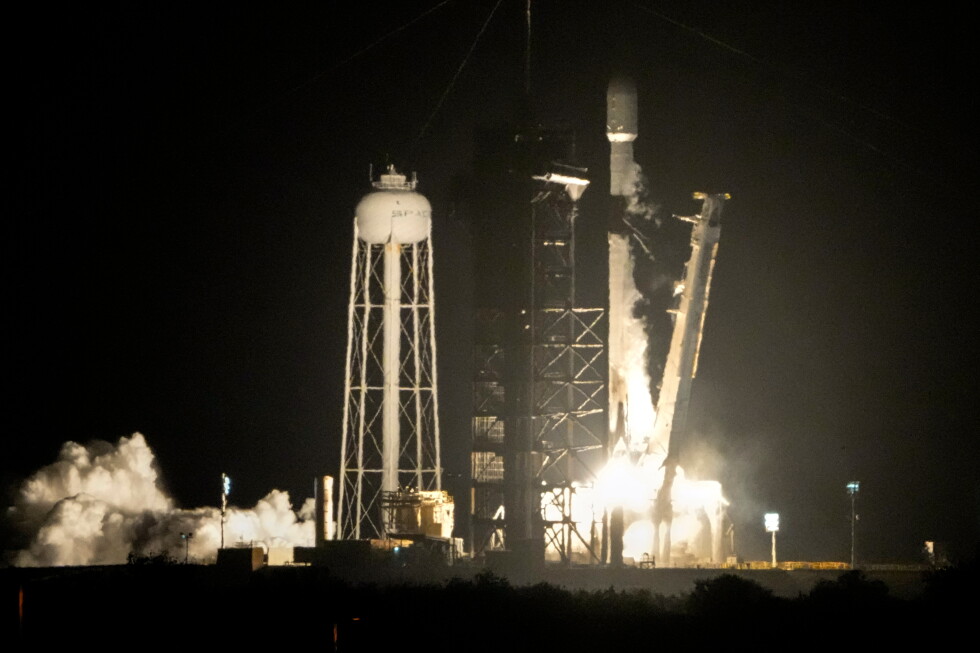
Multiple outlets reported that a discarded upper stage from a SpaceX Falcon 9 rocket, which had launched lunar landers the previous year, was on an uncontrolled collision course with the moon and later confirmed to have crashed into it. Coverage largely agreed on the event's basic facts but differed in emphasis, with some outlets focusing on the science of the impact and scientific opportunity, while others focused on the resulting crater imagery and broader concerns about space debris.
A discarded upper stage from a SpaceX Falcon 9 rocket, which had launched a pair of private lunar landers the previous year, was reported to be on an uncontrolled collision course with the moon, with impact anticipated in early August 2026. Multiple outlets reported the four-ton rocket stage was traveling at an estimated speed of approximately 5,400 mph at the time of impact. Reporting attributed the object's trajectory toward the moon to a combination of solar activity and gravitational effects following its original mission, rather than any planned targeting. Following the anticipated collision, NASA later released imagery showing a newly formed crater on the lunar surface, which the agency attributed to the crash of the SpaceX rocket debris. This marked confirmation that the impact occurred as forecast by astronomers and space agencies tracking the object's path. Scientists described the event as an opportunity to study the effects of high-speed impacts on the lunar surface, noting that the moon has endured similar impacts over millions of years from natural objects. The precise date and time of impact were reported inconsistently across outlets, with some coverage specifying an early Wednesday morning collision while the confirming NASA imagery was published roughly two weeks later, leaving the exact timeline of confirmation unclear. Scientists and commentators raised broader questions about the growing issue of debris in cislunar space resulting from increased lunar missions, though specific policy responses or regulatory actions were not detailed in available reporting. No injuries or damage beyond the lunar surface were reported, as the moon has no atmosphere or population.
SOURCE COMPARISON
How the coverage differs
A discarded SpaceX rocket is on a high-speed collision course with the moon
Read original report ↗What will happen when a SpaceX rocket collides with the Moon?
Our satellite has endured countless blows over millions of years - and astronomers think this one could be a useful accident.
Read original report ↗NASA spots new crater on the moon created when a SpaceX rocket crashed
A defunct part of a Falcon 9 rocket crashed into the moon uncontrolled this month at an estimated 5,400 mph. Now NASA has photos.
Read original report ↗What scientists are learning after SpaceX debris crashed into the moon
A four-ton upper stage of a SpaceX rocket is believed to have hit the moon at 5,400 mph. The SpaceX rocket launched a pair of lunar landers last year, but the company's scientists say a combination of solar activity and gravity put it on a collision course with the moon. Geoff Bennett discussed larger concerns about lunar litter with science correspondent Miles O'Brien.
Read original report ↗A SpaceX Rocket Will Soon Crash Into the Moon
The second stage of a Falcon 9 rocket, which sent two private landers to the moon last year, will collide with the moon early Wednesday morning.
Read original report ↗